Get Started
Complete the short form belowto Contact a Nexel Medical physician


Testosterone levels change throughout adult life, and knowing what is normal for your age can help explain changes in energy, strength, sexual health, and well-being.
Testosterone is often called the main male sex hormone or “androgen.” but both men and women make and need this vital hormone. Men produce much more testosterone than women, yet the hormone plays an important role in the health of both sexes. It helps support sexual function, muscle, bone strength, red blood cell production, mood, and other key body functions.
Still, there is no single testosterone number that is perfect for every adult. A healthy level for a 25-year-old man may be very different from the average level of a man in his 60s. Women have much lower levels than men, and their levels also change with age and menopause. Lab ranges can differ as well.
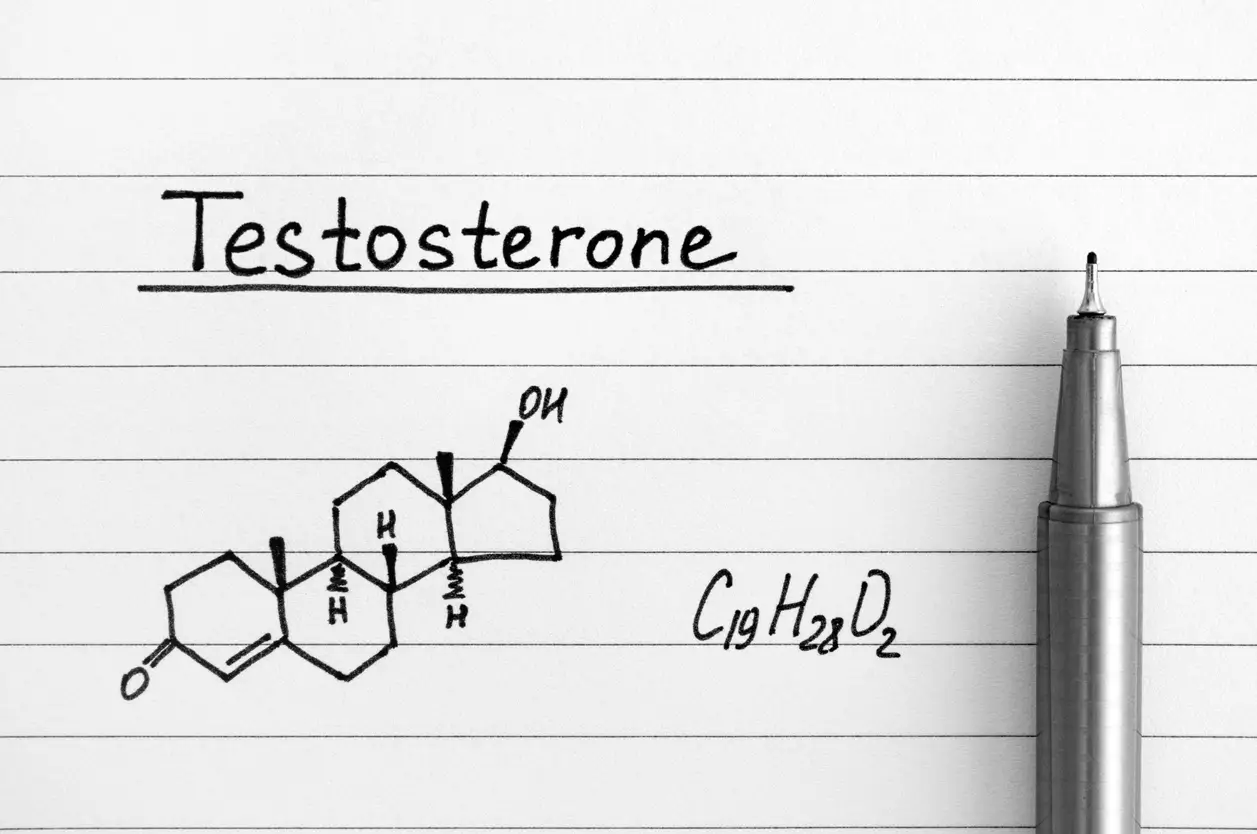
Testosterone changes greatly throughout a male’s life. Testosterone levels often reach their highest point in the late teens or early adult years. For many men, levels remain strong through the 20s. After that, a slow decline may begin. The change is not exactly the same for every man. Genetics, body weight, sleep, stress, health problems, medicines, alcohol use, and activity level can all affect how fast testosterone falls.
On average, testosterone levels may decline by about 1% per year after age 30 or during the late 30s. That does not mean every older man will have low testosterone or need treatment. Some men in their 50s, 60s, and beyond keep healthy levels and have no clear symptoms. Others develop lower levels sooner and begin to notice changes that affect daily life. The figures presented on this page are best used as a broad guide, not as a diagnosis. Different labs may use different testing methods and reference ranges, and not all men with a “below normal” level require testosterone replacement therapy.
Let’s take a closer look at testosterone levels by age, what the average “normal” levels mean, and when you should consider seeking treatment.
For adult men, a total testosterone level below 300 ng/dL is commonly used as a reasonable cutoff that may support a diagnosis of testosterone deficiency. However, a low number by itself is not enough. A man should also have signs or symptoms that fit low testosterone, and the result is usually confirmed with another morning blood test. s because testosterone levels can rise and fall during the day. In many men, levels are highest in the morning. Illness, poor sleep, severe stress, hard training, and certain medicines can also affect a reading. A single low result may not show a man’s usual hormone status.
The following chart illustrates the average testosterone level for men by age.
| AGE YEARS | AVERAGE FREE TESTOSTERONE pg/mL | AVERAGE TOTAL TESTOSTERONE ng/dL | NORMAL TOTAL TESTOSTERONE ng/dL |
|---|---|---|---|
| 30 – 40 | 8.7 to 25.1 | 219 to 1009 | 600 to 675 |
| 40 – 50 | 6.8 to 21.5 | 201 to 993 | 500 to 550 |
| 50 – 60 | 7.2 to 24.0 | 170 to 918 | 400 to 450 |
| 60 + | 6.6 to 18.1 | 156 to 700 | 300 to 350 |
Doctors also consider how a patient feels. A man with a level of 290 ng/dL and clear symptoms may need a full review. Another man with a similar result but no symptoms may not need the same plan. Likewise, some men have symptoms even when total testosterone falls within a lab’s broad normal range. In those cases, free testosterone and other hormone tests may help provide more context.
A broad normal range for adult male total testosterone is often listed at about 300 to 1,000 ng/dL, although some labs use somewhat different lower and upper limits. A result near the low end may be normal on a lab report, yet it may still be much lower than the level a man had when he was younger and feeling his best. At the same time, a man does not need to have the testosterone level of a 25-year-old to be healthy in his 50s or 60s.
The goal of good hormone care is not to chase the highest possible number. It is to find out whether a true hormone problem is present and, when treatment is appropriate, help bring levels into a healthy range while improving the symptoms that led the patient to seek care.
High testosterone means a level that is above the upper reference range used by the testing lab. In men, this may occur because of testosterone treatment, anabolic steroid use, certain tumors, or less common hormone disorders. In women, high testosterone is more common than true testosterone deficiency and may be linked to conditions that affect the ovaries or adrenal glands.
The meaning of a high result depends on sex, age, symptoms, medical history, and whether the person is using hormone treatment. More is not always better. Testosterone treatment should be dosed and monitored with the goal of reaching an appropriate range, not pushing levels as high as possible.
Men with very high levels may develop acne, oily skin, increased red blood cell counts, mood changes, or other unwanted effects. Women with excess testosterone may notice acne, unwanted facial or body hair, scalp hair thinning, menstrual changes, or a deeper voice in more severe cases.
Women make far less testosterone than men, but that does not make the hormone unimportant. The ovaries and adrenal glands both help produce androgens, which include testosterone. In women, testosterone can support sexual desire, sexual response, muscle, bone health, strength, mood, and an overall sense of well-being.
Normal ranges vary by lab and testing method. MedlinePlus lists total testosterone reference ranges of 8.4 to 48.1 ng/dL for women ages 17 to 50 and 2.9 to 40.1 ng/dL for women over 50. Other medical sources use broader adult female ranges, such as about 15 to 70 ng/dL. This difference is one reason a woman’s result should be read using the reference range from the lab that performed the test. no single, widely accepted testosterone cutoff that defines deficiency in women in the same way that the 300 ng/dL cutoff is often used in men. A woman’s symptoms, age, menstrual or menopause status, other hormone levels, medical history, and medicines all matter.
Women should not assume that low energy, low sex drive, reduced strength, or mood changes are always caused by testosterone. Estrogen, progesterone, thyroid hormones, sleep, stress, anemia, and other health issues can cause similar concerns. A complete medical history and review helps prevent a narrow diagnosis based on one symptom or one lab value.
| Sex and Age | General Total Testosterone Range or Average | Free Testosterone When Available | Key Context |
|---|---|---|---|
| Men, 30–40 | 219 to 1009 ng/dL; general age-based target 600 to 675 ng/dL | 8.7 to 25.1 pg/mL | Levels are often still relatively high but may begin a slow age-related decline. |
| Men, 40–50 | 201 to 993 ng/dL; general age-based target 500 to 550 ng/dL | 6.8 to 21.5 pg/mL | Symptoms and repeat morning testing become especially important when levels fall near or below 300 ng/dL. |
| Men, 50–60 | 170 to 918 ng/dL; general age-based target 400 to 450 ng/dL | 7.2 to 24.0 pg/mL | Age-related decline may become more noticeable, but not every man develops testosterone deficiency. |
| Men, 60+ | 156 to 700 ng/dL; general age-based target 300 to 350 ng/dL | 6.6 to 18.1 pg/mL | Results should be judged with symptoms, health history, and repeat testing rather than age alone. |
| Women, 17–50 | About 8.4 to 48.1 ng/dL by one common reference source; some labs use broader ranges | Varies by lab | Levels are much lower than in men and may change with age, menstrual status, and ovarian function. |
| Women, over 50 | About 2.9 to 40.1 ng/dL by one common reference source | Varies by lab | Menopause and age can affect levels; there is no single accepted cutoff for female testosterone deficiency. |
The body changes as it gets older. In men, the system that controls testosterone production may become less active over time. The testicles may not respond as strongly to hormone signals from the brain, and the brain itself may send those signals differently. The amount of testosterone carried or bound by certain blood proteins may also change.

For many men, the result is a slow decline rather than a sudden drop. The average decrease is often described as about 1% per year beginning around age 30 or in the late 30s. Yet this is only an average. Some men decline faster, while others maintain stronger levels well into later life. These changes that can make the decline worse. Men may gain body fat, lose muscle, sleep less, become less active, develop chronic health problems, or start medicines that affect hormone production. In those cases, the drop in testosterone may reflect both natural aging and other health factors.
Age-related decline is real, but it should not be used to dismiss symptoms that reduce quality of life. Feeling tired, weak, sexually uninterested, or unlike yourself should not simply be written off as “getting older.” Proper testing can help show whether hormones are part of the problem.
Low testosterone can occur at any adult age, and aging is only one possible cause. In men, the problem may begin in the testicles themselves. Injury, infection, cancer treatment, or certain genetic conditions can reduce testosterone production. A history of undescended testicles may also matter.
In other cases, the testicles may be capable of making testosterone, but the brain is not sending the right signals. The pituitary gland and hypothalamus help control testosterone production. Problems in these areas can lead to low levels.
Obesity is also closely linked to lower testosterone in men. Sleep apnea, chronic disease, severe illness, poor nutrition, and major stress may contribute in some patients. Opioid pain medicines and certain steroid drugs can suppress normal hormone production.
Anabolic steroid use can cause a different problem. When the body receives outside androgens, its own testosterone production may slow down or shut down. Levels can remain low after the steroids are stopped, especially after long or heavy use.
For women, low testosterone may be linked to age, menopause, removal of the ovaries, certain pituitary problems, adrenal problems, or other hormone changes. However, female symptoms often overlap with changes in estrogen, thyroid function, sleep, stress, and many other health issues.
Low testosterone can affect adults in different ways. Some people have clear symptoms, while others have few or none. In men, common signs may include lower sex drive, fewer morning erections, erectile problems, tiredness, reduced muscle strength, increased body fat, lower motivation, mood changes, problems with focus, reduced body hair, and weaker bones over time.
Women may report low sexual desire, reduced sexual satisfaction, fatigue, weakness, lower sense of well-being, mood changes, or loss of strength. Yet these concerns are not unique to low testosterone. They may also be tied to menopause, low estrogen, thyroid problems, anemia, poor sleep, depression, medication effects, or other health conditions.
The pattern is often more useful than any one symptom. A man over 40 who has slowly lost sex drive, strength, drive, and energy may have a stronger reason for hormone testing than someone who simply had a tired week. The same is true for a woman whose symptoms began after menopause or ovary removal and have continued despite attention to other possible causes.
Testing begins with a blood sample. For men, total testosterone is often the first test ordered. Because testosterone levels change during the day, morning testing is commonly preferred, especially in younger men. If the result is low, another morning test is usually needed to confirm the finding. also order free testosterone or tests that help explain how much testosterone is available for the body to use. This can be helpful when total testosterone does not match the patient’s symptoms or when certain blood proteins may be affecting the result. k may be needed to find the cause of a low result. Doctors may check hormones that show how the brain and testicles are communicating. Depending on the patient’s symptoms and health history, they may also review thyroid function, blood counts, blood sugar, prostate health in men, or other markers.
The medical history is just as important as the blood test. A doctor should ask about symptoms, when they started, medicines, sleep, weight changes, fertility plans, past injuries or surgery, and other health conditions.
Women need a more individualized approach because there is no single accepted testosterone cutoff that proves deficiency. Their evaluation may include testosterone along with other hormone tests based on age, menopause status, symptoms, and health history.
When a man over 40 has symptoms of age-related testosterone deficiency and properly confirmed low levels, testosterone replacement therapy may help restore testosterone to a healthier range and improve specific problems linked to the deficiency. Possible benefits may include:
Results differ from one man to another. TRT should be prescribed for an appropriate medical reason and monitored over time. The best treatment plan is based on symptoms, lab results, age, health history, treatment goals, and how the patient responds.
Women make and need testosterone too, although at much lower levels than men. In carefully selected women, testosterone therapy may be considered as part of a broader hormone treatment plan. Possible benefits may include:
Testosterone treatment for women requires careful dosing because female levels are much lower than male levels. Too much can cause unwanted effects such as acne, excess facial or body hair, scalp hair loss, or voice changes. Women should receive individualized care, regular follow-up, and treatment aimed at an appropriate female range.
Understanding testosterone levels by age is only the first step. The real goal is to understand what your numbers mean for you. At the Nexel Medical locations nationwide we provide personalized hormone testing and treatment for adult men and women who are dealing with symptoms that may be linked to age-related hormone decline or another form of hormone imbalance.

The process begins with a medical consultation, a review of symptoms and health history, and proper lab testing. Our doctors look at the full picture rather than treating one number on a lab report. When testosterone therapy is appropriate, treatment is designed around the patient’s sex, age, lab results, symptoms, health needs, and goals.
For your added convenience, Nexel Medical can even provide care through telemedicine when appropriate, with evaluation by a licensed medical provider and prescription treatment supplied through a licensed pharmacy when prescribed.
Do not let fatigue, low sex drive, loss of strength, or other possible signs of low testosterone become your new normal. Contact Nexel Medical today to schedule your consultation, complete proper hormone testing, and take the next step toward understanding your testosterone levels and your treatment options.
Yes. The 300 ng/dL level is a useful clinical cutoff, but it is not a perfect line between healthy and unhealthy for every man. Symptoms, repeat results, free testosterone, age, medications, and other health factors may all matter. A doctor should look at the full pattern instead of deciding that one number automatically proves or rules out a problem.
It can, especially in younger men. Testosterone often follows a daily rhythm and may be highest in the morning. Levels can be lower later in the day. For this reason, morning testing is often preferred, and an unexpectedly low result may need to be repeated under similar conditions before a diagnosis is made.
Yes. Poor sleep can affect hormone balance and may contribute to lower testosterone. A bad night does not automatically mean a test is invalid, but ongoing sleep loss, sleep apnea, shift work, or severe sleep problems can be important parts of the overall picture. Patients should tell their doctor about sleep habits when being evaluated for possible hormone deficiency.
No. Do not stop a prescription medicine unless the clinician who manages it tells you to do so. Some medicines can affect testosterone but stopping them suddenly may be unsafe. Instead, give the doctor a complete list of prescription drugs, over-the-counter medicines, supplements, hormones, and past steroid use so the results can be interpreted correctly.
Yes. Outside testosterone can reduce the body’s own signals for sperm production and may lower sperm count. Men who want to have children now or in the future should discuss fertility goals before starting TRT. This is an important part of treatment planning and may affect which medical approach is most appropriate.
The schedule depends on the form of treatment, dose, symptoms, medical history, and early response. Follow-up testing is commonly done after treatment begins and then at regular intervals. The goal is to track testosterone levels, symptom improvement, and other health markers so the treatment plan can be adjusted when needed.
Complete The Short Form Below To Contact a Nexel Medical Physician