Get Started
Complete the short form belowto Contact a Nexel Medical physician


Testosterone replacement therapy or TRT has many positive benefits for men over 40, and did you know you could get TRT online?
An online TRT clinic helps men get expert testosterone care through a secure telemedicine process. For many men, the first step toward feeling better is not walking into an office. It is having a private, honest conversation with a trained medical provider from home. An online TRT clinic makes that possible. It gives men a way to discuss symptoms, complete hormone testing and lab work, review results, and receive a treatment plan without having to build their schedule around repeated in-person visits.
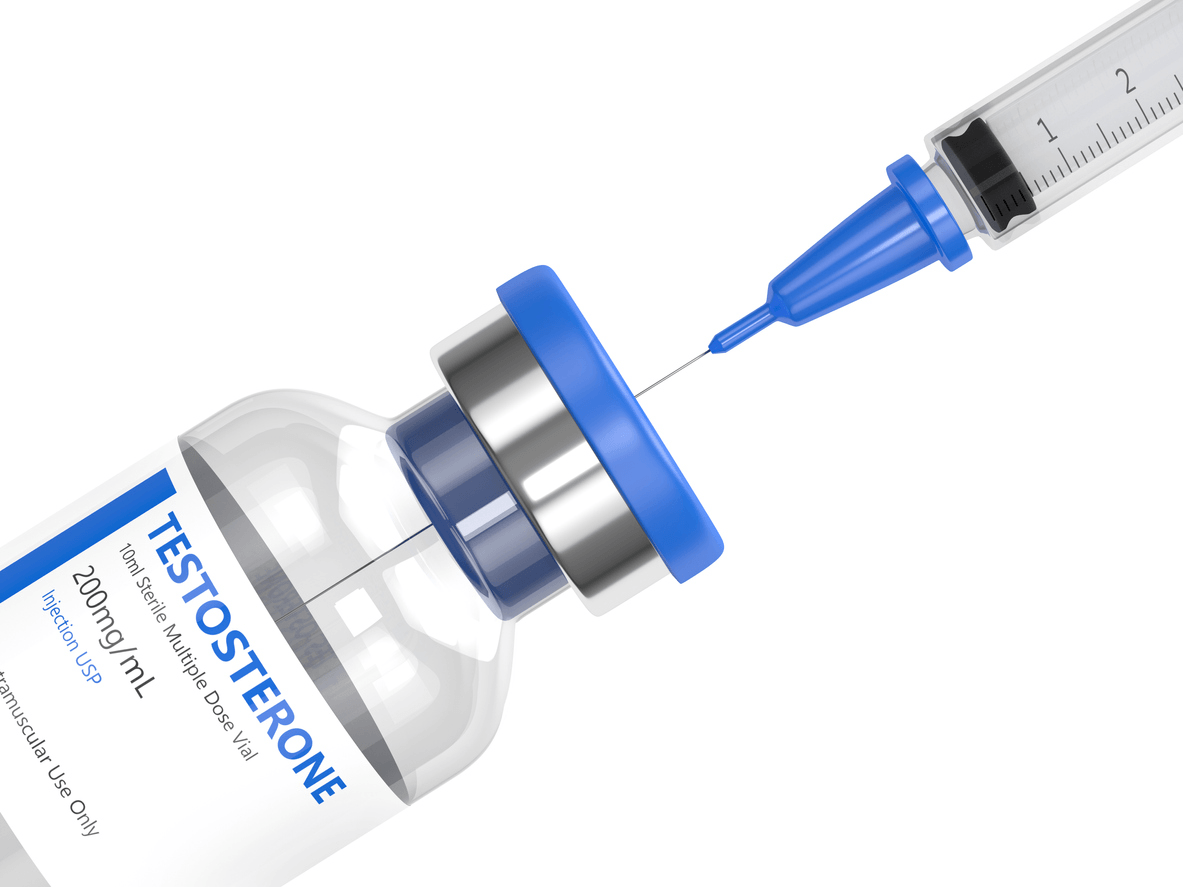
TRT stands for testosterone replacement therapy. It is a medical treatment used when a man’s testosterone level is too low and his symptoms match what the lab work shows. Low testosterone can affect many parts of a man’s life. It can change his mood, sex drive, focus, strength, body composition, and sense of drive. It can also make a man feel less like himself, even when he is still working hard, staying active, and trying to live well.
An online TRT clinic does not mean casual care, guesswork, or a quick prescription. The best online TRT programs follow a clear medical process. They look at symptoms, health history, lab results, risk factors, goals, and follow-up needs. They also make sure treatment is adjusted over time instead of being handled as a one-time order.
For men who are busy, private, or frustrated by short office visits, telemedicine can make hormone care more practical. The goal is not just to raise a number on a lab report. The goal is to help restore healthy testosterone balance in a safe, steady, and medically guided way.
Low testosterone means the body is not making enough testosterone to support a man’s normal health, strength, sexual function, and daily well-being. Testosterone is often called the main male sex hormone, but it does much more than support sex drive. It also plays a role in muscle health, red blood cell production, mood, mental focus, bone strength, fat balance, and long-term vitality.
Testosterone levels often decline with age. This does not happen in the same way for every man. Some men notice very little change. Others begin to feel a slow shift that affects daily life. The change may be easy to explain away at first. A man may blame stress, long work hours, poor sleep, family demands, or getting older. Those factors can matter, but low testosterone may also be part of the problem.
Common signs of low testosterone can include low sex drive, fewer morning erections, erectile problems, low mood, reduced motivation, trouble staying focused, loss of lean muscle, more belly fat, weaker workouts, and slower return to normal after physical activity. Some men also feel more irritable or less confident. Others feel flat, tired, or less interested in things they used to enjoy.
Low testosterone is not diagnosed by symptoms alone. Many health issues can cause similar changes. Thyroid problems, poor sleep, weight gain, certain medicines, high stress, depression, alcohol use, and other hormone shifts can all affect how a man feels. That is why a proper diagnosis matters. A good clinic does not treat a man based only on a short symptom checklist. It looks at the full picture.
The key point is simple. Low testosterone is a real medical issue, but it should be evaluated with care. The right approach can help separate true testosterone deficiency from other causes of fatigue, low drive, sexual changes, or poor performance.
Low testosterone is diagnosed through a mix of symptoms, medical history, and lab testing. A man should not be placed on TRT just because he feels tired or wants more energy. He should also not be ignored if his lab numbers are low and his symptoms are affecting his life. A proper diagnosis brings both sides together.
The process usually begins with a detailed intake. The provider asks about symptoms, sleep, weight changes, sexual health, mood, exercise, past medical issues, current medicines, and family history. This helps identify patterns that may point toward low testosterone or another condition. It also helps the provider decide which lab tests are needed.
Blood testing is a core part of the diagnosis. Testosterone is usually checked in the morning because levels are often highest earlier in the day. A careful evaluation may include total testosterone and free testosterone. Total testosterone measures the overall amount in the blood. Free testosterone gives a better sense of how much is available for the body to use. Both numbers can help guide the decision.
Other labs may also be reviewed. These can include blood count, prostate screening when age-appropriate, estradiol, thyroid markers, metabolic markers, liver and kidney function, and other hormone signals. These tests help the provider understand safety, rule out related problems, and build a treatment plan that fits the patient.
Diagnosis also includes a review of risk factors. A provider may ask about sleep apnea, fertility goals, prostate history, heart health, blood pressure, and clotting risks. This is not meant to scare the patient away from treatment. It is meant to make sure treatment is started wisely and monitored properly.
Online diagnosis can be thorough when the clinic uses real lab testing, licensed medical providers, and structured follow-up. The telemedicine format changes where the visit happens. It should not lower the medical standard.
Testosterone replacement therapy is a treatment used to restore testosterone to a healthier range when a man has both low levels and matching symptoms. TRT may be delivered in several forms, including injections, topical creams, gels, or other options chosen by the provider. The best method depends on the patient’s labs, goals, comfort level, lifestyle, and medical history.
The purpose of TRT is hormone restoration. It is not the same as unsafe steroid use or trying to push the body beyond healthy limits. A good plan aims for balance. The provider chooses a dose, explains how the treatment works, monitors lab changes, and adjusts the plan when needed.
Many men choose TRT because low testosterone has started to affect areas of life that matter deeply. Sexual health is often one reason. Mood, focus, body composition, and confidence may also be part of the concern. Some men want to feel more steady in their daily routine. Others want their efforts in the gym, at work, and at home to feel more productive again.
TRT should be viewed as a medical plan, not a quick fix. It often takes time for the body to respond. Some changes may be noticed in the first several weeks. Other changes may build more slowly as treatment continues and levels become more stable. Follow-up is important because the right dose for one man may not be right for another.
Monitoring may include repeat testosterone levels, blood count, estrogen balance, prostate markers when appropriate, and a review of symptoms. The provider also asks practical questions. Is the patient using treatment correctly? Are there side effects? Are the benefits meaningful? Is the plan still aligned with his health goals?
This kind of ongoing care is what separates responsible TRT from one-size-fits-all hormone treatment. When therapy is medically supervised, it can be shaped around the patient instead of forcing every patient into the same protocol.
Yes, many men can start with a TRT consultation online through a qualified telemedicine clinic. An online consultation allows the patient to meet with a medical provider by phone or video, share health concerns, review symptoms, and discuss whether testosterone testing makes sense.
This type of visit is often easier for men who have demanding schedules. It also helps men who feel uncomfortable talking about sexual health, low mood, or hormone changes in a crowded waiting room. Telemedicine creates a more private setting. The patient can speak directly, ask questions, and move through the first step without the stress of a traditional office visit.
An online TRT consultation should still feel complete. The provider should not rush straight to treatment. The visit should cover health history, current symptoms, past lab results if available, medicines, lifestyle habits, and treatment goals. The provider should also explain what labs are needed before a final decision is made.
For many patients, the online visit is the doorway into care. The lab work may be completed at a local lab. After the results are available, the provider reviews the findings and explains the next step. If TRT is appropriate, a plan can be created. If another issue appears to be the main cause, the provider can guide the patient toward the right care path.
Online does not mean less personal. In many ways, a good telemedicine visit gives the patient more focused time to talk about what has changed and what he hopes to improve. The goal is to make care easier to start while still keeping it medically sound.
A prescription for testosterone injections may be possible through an online clinic when the patient completes a proper medical evaluation and lab testing confirms that treatment is appropriate. A prescription should never be based only on a questionnaire or a patient’s request. Testosterone is a prescription therapy, and it must be handled with care.
The process usually begins with a consultation and lab review. If the provider confirms that the patient has low testosterone and is a good candidate for treatment, the provider can discuss TRT options. The patient should understand how the medication is used, how follow-up works, what side effects to watch for, and what labs need to be repeated.

A responsible online TRT clinic also checks whether treatment is safe for that patient. Some men need extra review before starting. Others may need another health issue addressed first. A man who wants to have children soon may need a special discussion because TRT can affect sperm production. A man with certain prostate, blood count, or heart-related concerns may need closer monitoring.
The safest online care is not a shortcut around medical judgment. It is a more convenient way to access that judgment. The provider still has to decide whether the benefits, risks, lab results, and patient goals support treatment.
If TRT is prescribed, the clinic should provide clear instructions. The patient should know the dose, schedule, delivery method, refill process, and follow-up timeline. He should also know who to contact with questions. That structure gives the patient confidence and helps the provider keep the treatment plan on track.
An online TRT consultation is designed to be private, direct, and medically focused. The patient can expect to discuss symptoms, goals, health history, and next steps. The visit should feel like a real medical appointment, not a sales call.
Before the visit, the clinic may ask the patient to complete intake forms. These forms often ask about age, weight, symptoms, medicines, past surgeries, health conditions, family history, and lifestyle. The provider uses this information to guide the conversation and decide which labs are needed.
During the consultation, the provider will ask questions about the patient’s concerns. Some men lead with sexual symptoms. Others want help understanding mood changes, lower stamina, weight gain, or muscle loss. The provider may ask when the changes began, whether they are getting worse, and what the patient has already tried. These details help connect symptoms to possible causes.
The provider will also explain the testing process. In many cases, the patient is sent for blood work at a convenient local lab. If the patient already has recent lab results, the provider may review them and decide whether more testing is needed. Once the lab results are ready, the provider can explain what they mean in plain language.
If TRT is a good fit, the consultation may lead to a treatment plan. That plan should include the type of testosterone therapy, dosing instructions, follow-up schedule, and monitoring labs. If TRT is not the best first step, the provider should explain why and suggest a better path. Either way, the patient should leave the process with more clarity than he had before.
A good online consultation should make the patient feel heard. It should also protect him from careless treatment. That balance is the mark of a qualified telemedicine TRT clinic.
A telemedicine TRT clinic can make testosterone care easier to access without removing the need for medical oversight. For many men, that combination is the main advantage. They want real care, but they do not want an overly complicated process.
Convenience is one of the biggest benefits. A patient can start with an online consultation, complete lab work locally, and follow up with his provider without repeated office trips. This can be helpful for men who work long hours, travel often, live far from a hormone specialist, or simply prefer not to spend time in waiting rooms.
Privacy is another important benefit. Low testosterone can involve sensitive issues such as sexual function, low confidence, mood changes, or changes in body composition. Some men delay care because they do not want to talk about these concerns in a rushed or public setting. Telemedicine allows the conversation to happen in a more comfortable space.
TRT Cost may also be easier to understand with a clear online program. Many telemedicine clinics use direct pricing for consultations, lab review, and treatment plans. That can help patients know what to expect before they begin. The best clinics are clear about fees, testing, medication costs, and follow-up needs.
Access is also improved. In some areas, it may be hard to find a provider who focuses on men’s hormone care. A qualified telemedicine clinic can connect patients with trained providers who understand testosterone treatment and the need for ongoing monitoring.
The final advantage is continuity. A strong online TRT program does not end after the first prescription. It provides follow-up visits, lab review, dose adjustments, refill support, and patient education. That ongoing structure helps keep care safe and useful over time.
The key is choosing the right clinic. Telemedicine works best when it is organized, follows all formal medical guidelines, and built around patient follow-up instead of quick transactions.
Finding the best online TRT clinic starts with knowing what to look for. The goal is not simply to find the fastest option. The goal is to find a clinic that makes treatment easier while still using a careful medical process.
Start by looking for licensed medical providers who focus on hormone care. TRT requires more than a basic prescription. The provider should understand testosterone testing, symptom review, dosing, potential side effects, and follow-up. A clinic that treats every patient the same way is not the right choice.
Next, make sure lab testing is required. A quality clinic will not prescribe TRT without reviewing blood work. It should also review more than one number when needed. Testosterone levels matter, but the provider should also consider related health markers that affect safety and treatment planning.

The best clinics also explain the process clearly. A patient should know how the consultation works, where labs are completed, how results are reviewed, how medication is prescribed, and how follow-up is handled. Clear communication is a sign that the clinic takes patient care seriously.
It is also wise to look for personalized treatment. Men do not all respond to TRT the same way. Some need dose changes. Some need side effect management. Some need support with related hormones, weight, sleep, or lifestyle factors. The clinic should be willing to adjust the plan based on the patient’s labs and response.
Patient support matters as well. A good clinic should be reachable when questions come up. Men should not feel abandoned after the first prescription. Follow-up care is where a TRT plan becomes safer, more effective, and better matched to the patient’s real life.
When searching for an online TRT clinic near you, look for a provider that combines telemedicine convenience with serious medical oversight. That is the standard that protects the patient and helps treatment deliver its full value.
Nexel Medical has offices nationwide, but we are also proud to offer online TRT care for men who want a convenient way to address low testosterone from anywhere! The process is built for patients who want expert medical treatment without unnecessary office delays, unclear steps, or one-size-fits-all treatment.
Our approach starts with listening. Before treatment is discussed, our providers take time to understand what the patient is experiencing, how long symptoms have been present, and what health goals matter most. Testosterone therapy should never be based on a single complaint or a quick form. It should be based on the patient’s full health picture.
Lab testing is an important part of the process. We use lab results to confirm whether testosterone is low and to help guide treatment safely. Those results are reviewed along with symptoms, history, risk factors, and treatment goals. This gives the provider a better view of what is happening and helps avoid guesswork.
Nexel Medical also places strong focus on follow-up. TRT is not a treatment that should be started and ignored. Levels can change. Symptoms can improve at different speeds. Doses may need to be adjusted. Safety markers need to be checked. Our team helps patients move through that process with guidance, not confusion.
Telemedicine makes care easier, but our standard remains personal. Patients can complete much of the process from home while still receiving provider-led care, lab review, treatment planning, and ongoing support. That makes online TRT practical for busy men who want a serious clinic without a complicated care path.
If low testosterone is affecting your health, confidence, sexual wellness, focus, or quality of life, Nexel Medical can help you find out whether TRT is the right next step. Contact Nexel Medical today to schedule an online TRT consultation and begin a clear, medically guided path toward better hormone balance.
An online TRT clinic can be safe when it uses licensed medical providers, proper lab testing, careful screening, and ongoing follow-up. The unsafe version of online care is a clinic that treats testosterone like a quick order instead of a medical therapy. A quality clinic reviews symptoms, labs, history, and risk factors before treatment begins. It also monitors the patient after treatment starts.
Yes. Blood work is a key part of safe TRT care. Symptoms can suggest low testosterone, but lab testing helps confirm whether levels are actually low. Labs also help the provider check other health markers before treatment. This is important because TRT should be tailored to the patient, not based only on age or a short symptom form.
Yes. Many online TRT programs use local lab testing. The patient may receive a lab order and complete the blood draw at a nearby testing location. The results are then sent to the provider for review. This allows the patient to get accurate testing without needing to travel to the clinic for every step of care.
TRT does not work overnight. Some men notice early changes within several weeks, while other benefits may take longer as hormone levels become more stable. Sexual health, mood, focus, strength, and body composition may improve at different times. Follow-up visits help the provider review progress and adjust the plan when needed.
Yes. Follow-up is one of the most important parts of TRT. The provider may repeat labs, review symptoms, check for side effects, and make dose changes when needed. This helps keep treatment safe and aligned with the patient’s goals. Men should avoid any program that starts TRT without a clear plan for monitoring.
TRT is usually meant for men who have low testosterone confirmed by lab testing and symptoms that fit the diagnosis. If testosterone levels are normal, the provider may look for other causes of the patient’s concerns. A good consultation can still be useful because it may uncover sleep, thyroid, weight, stress, medication, or other health factors that should be addressed.
Yes. Telemedicine can offer a high level of privacy. Many men prefer discussing hormone changes, sexual health, and personal symptoms from home instead of in a waiting room or busy office. A private online visit can make it easier to speak openly, ask questions, and take the first step toward care.
Complete The Short Form Below To Contact a Nexel Medical Physician